
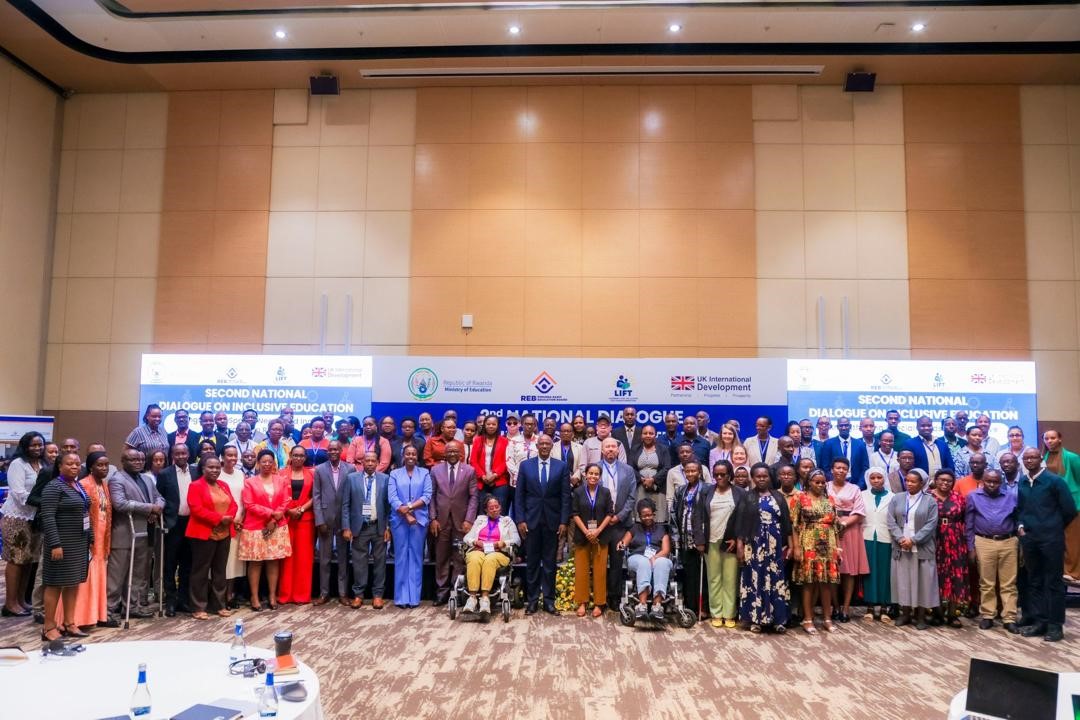
Kigali Convention Centre, 27 November 2025
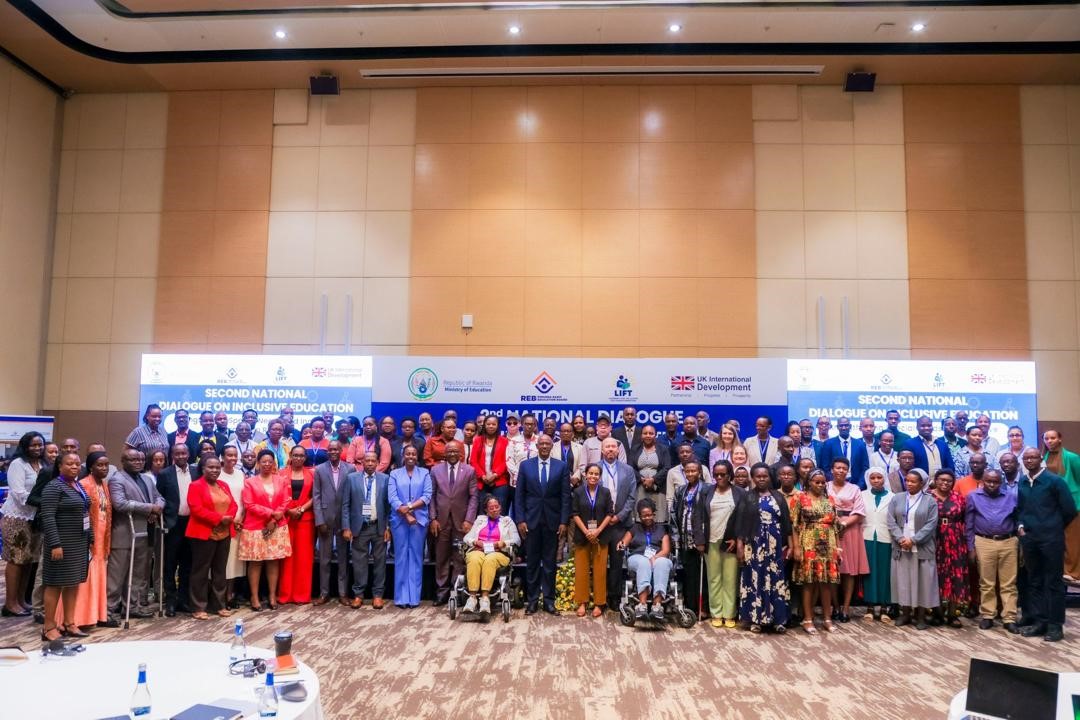
On 27 November 2025, the Kigali Convention Centre became the focal point for a pivotal gathering of education stakeholders at the Second National Dialogue on Special Needs and Inclusive Education. Organized under the supports of the Learning and Inclusion for Transformation (LIFT) and Rwanda Basic Education Board (REB) in collaboration with the Ministry of Education (MINEDUC) and various disability and inclusive education partners, the event built on momentum from the first dialogue held in late 2024.
The Dialogue brought together policymakers, disability rights advocates, educators, researchers, representatives of civil society, persons with disabilities, parents, and development partners. The overarching theme centered on Fostering Disability-Inclusive Societies for Advancing Social Progress: Strengthening Special Needs and Inclusive Education in Rwanda by reviewing progress made in implementing the Special Needs and Inclusive Education (SNIE) Policy, identifying persistent challenges, and co-designing actionable strategies for the coming year.
A core focus of the sessions was advancing inclusive practices that ensure learners with diverse needs including physical, sensory, cognitive, and developmental disabilities fully participate in quality learning environments. Delegates examined barriers that still hinder equitable access to education, such as insufficient teacher training in inclusive pedagogy, limited accessible infrastructure, and gaps in data systems to track learner support needs. The dialogue aimed to reinforce commitments toward eliminating these barriers and aligning Rwanda’s efforts with global standards of inclusive education.
Keynote addresses highlighted Rwanda’s steps in policy development and implementation. Speakers emphasized the importance of strengthening teacher capacity through targeted professional development, expanding early identification and intervention mechanisms, and promoting community engagement to reduce stigma and encourage parental involvement. Representatives of organizations of persons with disabilities underscored the necessity of centering lived experiences in planning and monitoring inclusive education reforms.
Interactive workshops and breakout sessions enabled participants to share best practices, innovative approaches, and success stories from schools and districts pioneering inclusive education. These collaborative exchanges served not only to celebrate progress but also to identify gaps where additional resources, research, and multi-sectoral partnerships are urgently needed.
The Dialogue concluded with a set of commitments from government agencies, educational institutions, and partners to prioritize inclusive education in national planning and budgeting. A renewed call was issued for broader stakeholder collaboration to ensure that every learner regardless of ability has access to the support, resources, and learning opportunities they need to thrive.
As Rwanda advances its agenda for inclusive and equitable education, this Second National Dialogue marked a significant milestone in collective efforts to leave no learner behind.
I really enjoyed with your story keep continue giving us usefull news about education of children with disabilities.