
Category: Curriculum & Teaching Methods
Examines curricula, innovative teaching approaches, and pedagogical best practices.
- Curriculum & Teaching Methods
- Education
- Equity, Inclusion & Access
- Teacher Issues / Professional Development / Learning Outcomes
1TO1 TEACHING-LEARNING Ltd Empowers Early Childhood Educators in Ruhango District
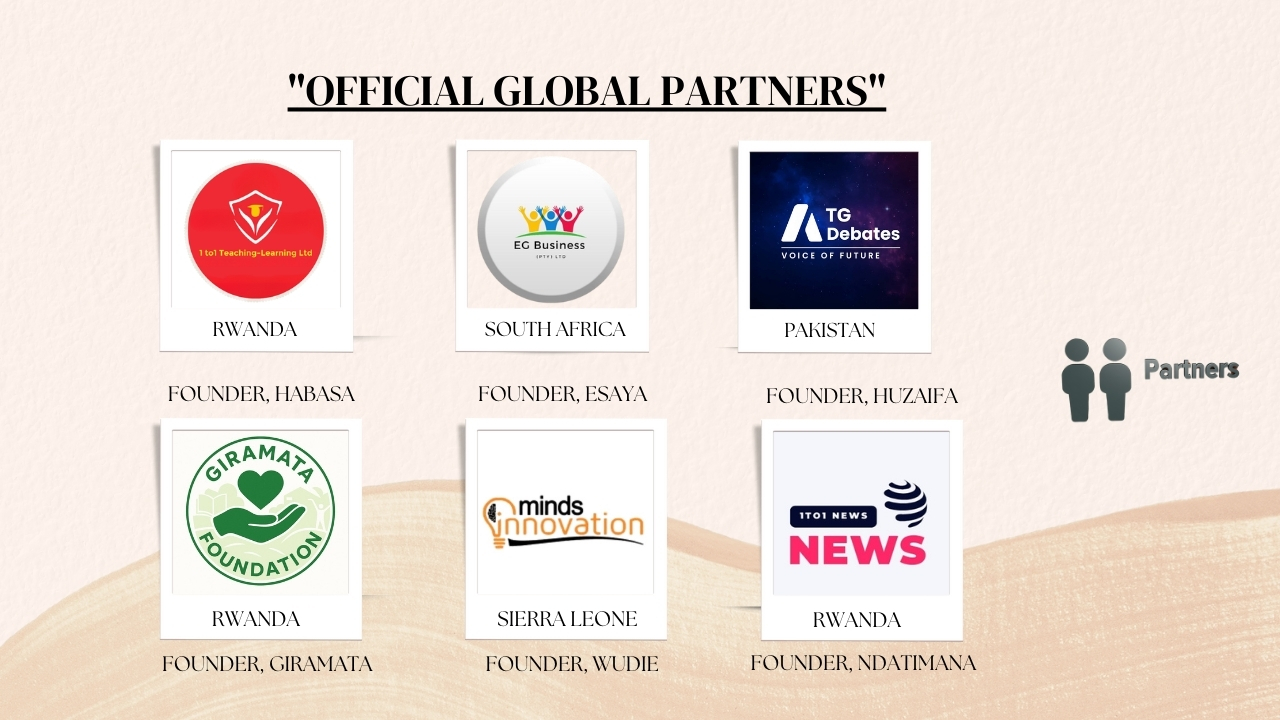
RUHANGO, RWANDA — Over the weekend of March 21 and 22, 2026, 1TO1 TEACHING-LEARNING Ltd successfully conducted a comprehensive two-day training program for Early Childhood Development (ECD) educators. The official mission, operating out of the Gasabo district, aimed to equip staff at the ITETERO Little Angels Center (LAC) with advanced teaching strategies and foundational child development principles.
- Curriculum & Teaching Methods
- Data, Reports & Research
- Education
- Equity, Inclusion & Access
- Higher Education & Vocational Training
- Infrastructure and Resources
- Opinions/Voices
- Parent & Community
- Policy & Reform
- Student Life
- Teacher Issues / Professional Development / Learning Outcomes
- Technology
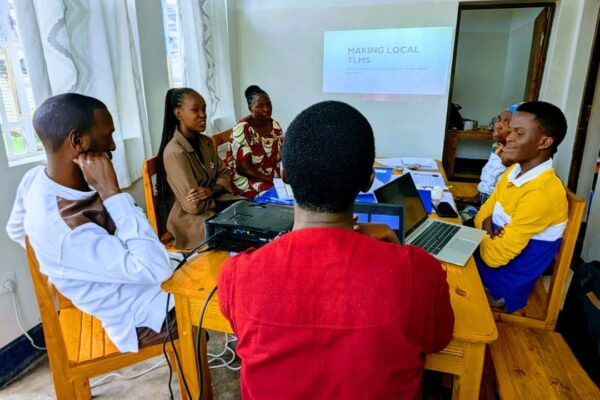
1TO1 TEACHING LEARNING LTD Expands Innovation Initiative with Hybrid Panels Working Across Education, Language, and Technology
1TO1 TEACHING LEARNING LTD has launched multiple hybrid expert panels bringing together educators, engineers, and language specialists to develop robotics education, ESL programmes, teacher training, and innovation-driven learning systems. While some meetings are held in person, most collaboration takes place online, enabling experts to work together across Rwanda to strengthen education in the era of digital transformation and the Sixth Wave of Innovation.
- Curriculum & Teaching Methods
- Education
- Opinions/Voices
- Policy & Reform
- Teacher Issues / Professional Development / Learning Outcomes
- Technology
ICT Experts Convene for 1TO1 TEACHING LEARNING LTD Panel Meeting to Align Robotics Education with Rwanda’s Innovation Future
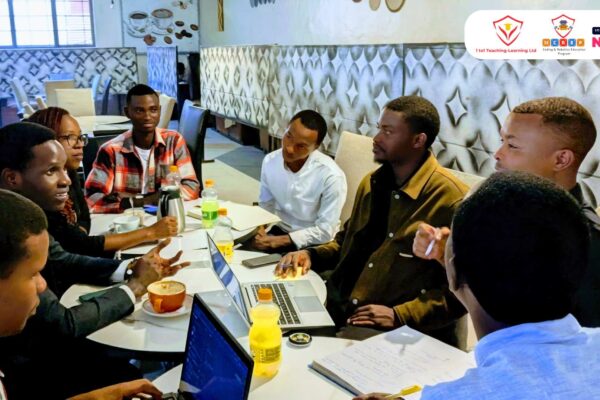
The ICT in Education Panel Meeting organised by 1TO1 TEACHING LEARNING LTD brought together experts to discuss robotics education, coding in schools, and AI literacy in Rwanda. The initiative aims to strengthen digital learning while aligning with Vision 2050, NST2, and the global Sixth Wave of Innovation.
Beyond the Chalkboard: Meet the 1to1 Innovators Building Rwanda’s & EAC’s “Nursery to University” Robotics Pipeline
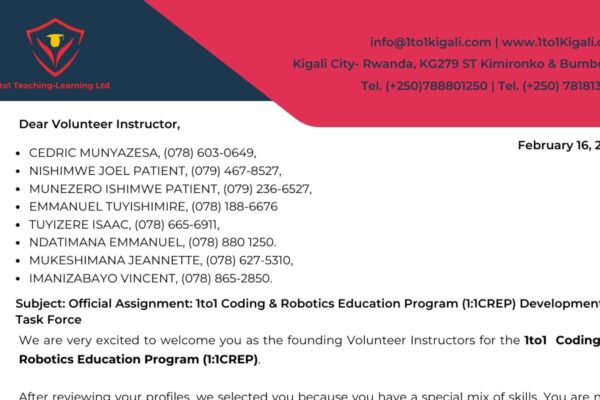
1TO1 TEACHING LEARNING LTD has officially appointed a Development Task Force to design the 1:1 Coding & Robotics Education Program (1:1CREP). The assigned team—comprising Panel Leaders, Curriculum Architects, Quality Assurance specialists, and Software Engineering Consultants from Rwanda and Tanzania—has been tasked with creating a structured Nursery-to-University curriculum aligned with research, industry standards, and regional digital transformation goals.
East Africa’s Educational Revolution: From “No Ranking” in Kenya to PISA in Rwanda
While the West retreats, East Africa is boldly reforming. Kenya’s transition to a non-ranked Competency-Based Curriculum and Rwanda’s entry into the PISA assessment signal a region moving towards global benchmarking and specialized pathways.

- Curriculum & Teaching Methods
- Data, Reports & Research
- Education
- Higher Education & Vocational Training
- Infrastructure and Resources
- Teacher Issues / Professional Development / Learning Outcomes
Rwanda’s Schools Grow to Nearly 5,000, But Overcrowding Worsens
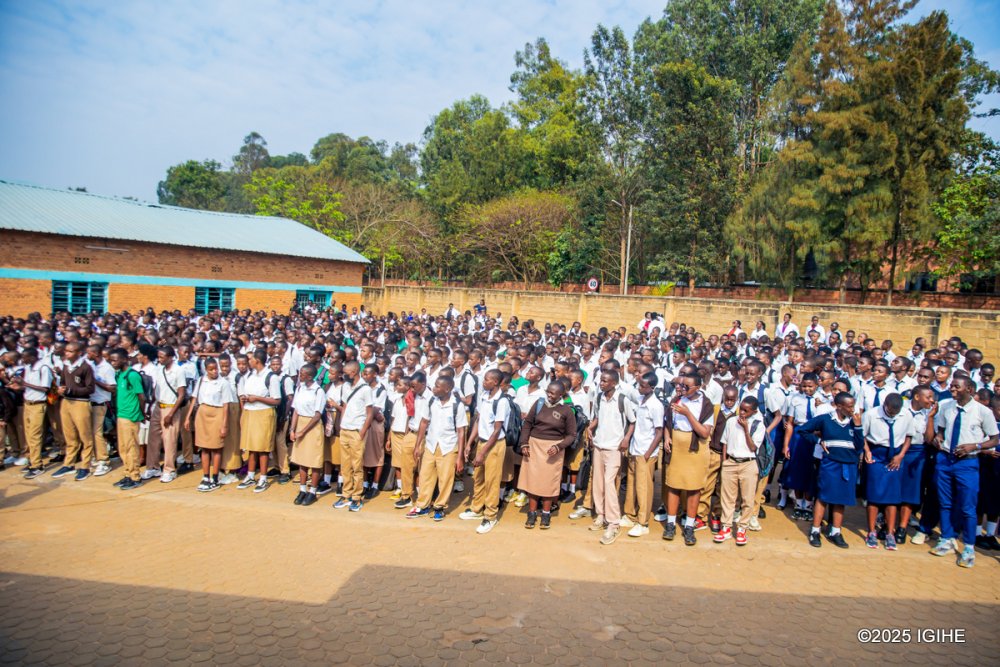
Education in Rwanda is growing rapidly, driven by curriculum reforms, improved teacher training, and expanded school infrastructure. According to the Ministry of Education’s 2023/2024 report, Rwanda had 4,986 schools by July 2024, enrolling about 4.8 million students — a 7% increase from the previous year. Despite progress, overcrowding remains a challenge, with an average of 52 pupils per classroom compared to the recommended 46 by UNESCO. Primary education dominates the system, accounting for over 3 million learners, while tertiary enrolment reached 130,474 students. Teacher numbers rose to 123,818, yet many still lack professional training.
Source: Jean Baptiste Nshimiyimana, “Education in Rwanda in Numbers,” published 24 October 2025, Igihe.com
This is EG Business — Growing Maize Productively in South Africa: Essential Tips
EG Business shares research-backed tips on how South African farmers can boost maize yields through better soil preparation, irrigation, and fertilization, while promoting sustainable growth across African agriculture.
Global Youth Leaders Launch Partnership for Digital Education Platform
Young founders from Rwanda, South Africa, Pakistan, and Sierra Leone have teamed up to launch a global e-learning platform. The initiative, aligned with SDG 4, will expand access and affordability in education through innovation, digital literacy, and inclusive solutions.