Category: Policy & Reform
Covers national and local education policies, reforms, and initiatives shaping the education sector.
- Curriculum & Teaching Methods
- Data, Reports & Research
- Education
- Equity, Inclusion & Access
- Higher Education & Vocational Training
- Infrastructure and Resources
- Opinions/Voices
- Parent & Community
- Policy & Reform
- Student Life
- Teacher Issues / Professional Development / Learning Outcomes
- Technology
1TO1 TEACHING LEARNING LTD Expands Innovation Initiative with Hybrid Panels Working Across Education, Language, and Technology
1TO1 TEACHING LEARNING LTD has launched multiple hybrid expert panels bringing together educators, engineers, and language specialists to develop robotics education, ESL programmes, teacher training, and innovation-driven learning systems. While some meetings are held in person, most collaboration takes place online, enabling experts to work together across Rwanda to strengthen education in the era of digital transformation and the Sixth Wave of Innovation.
- Curriculum & Teaching Methods
- Education
- Opinions/Voices
- Policy & Reform
- Teacher Issues / Professional Development / Learning Outcomes
- Technology
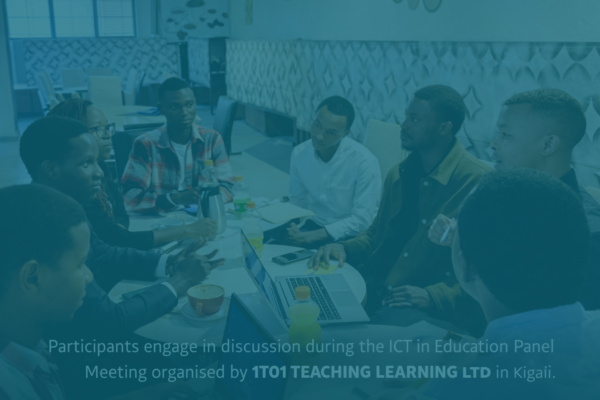
ICT Experts Convene for 1TO1 TEACHING LEARNING LTD Panel Meeting to Align Robotics Education with Rwanda’s Innovation Future
The ICT in Education Panel Meeting organised by 1TO1 TEACHING LEARNING LTD brought together experts to discuss robotics education, coding in schools, and AI literacy in Rwanda. The initiative aims to strengthen digital learning while aligning with Vision 2050, NST2, and the global Sixth Wave of Innovation.
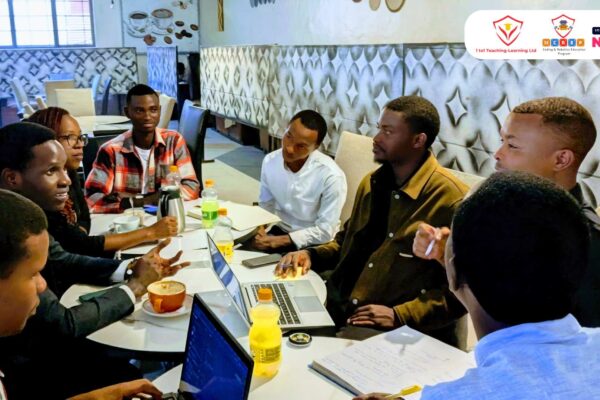
Beyond the Chalkboard: Meet the 1to1 Innovators Building Rwanda’s & EAC’s “Nursery to University” Robotics Pipeline
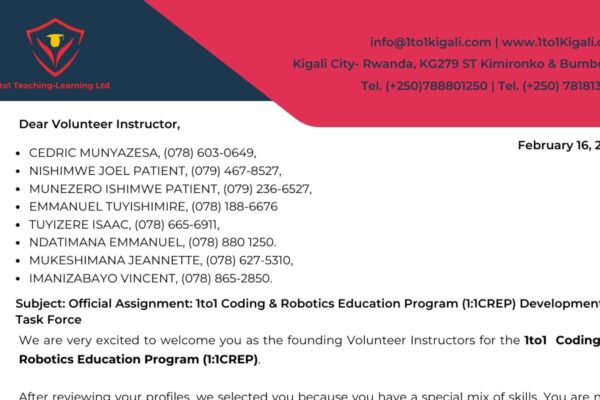
1TO1 TEACHING LEARNING LTD has officially appointed a Development Task Force to design the 1:1 Coding & Robotics Education Program (1:1CREP). The assigned team—comprising Panel Leaders, Curriculum Architects, Quality Assurance specialists, and Software Engineering Consultants from Rwanda and Tanzania—has been tasked with creating a structured Nursery-to-University curriculum aligned with research, industry standards, and regional digital transformation goals.
- Education
- Equity, Inclusion & Access
- Policy & Reform
- Teacher Issues / Professional Development / Learning Outcomes
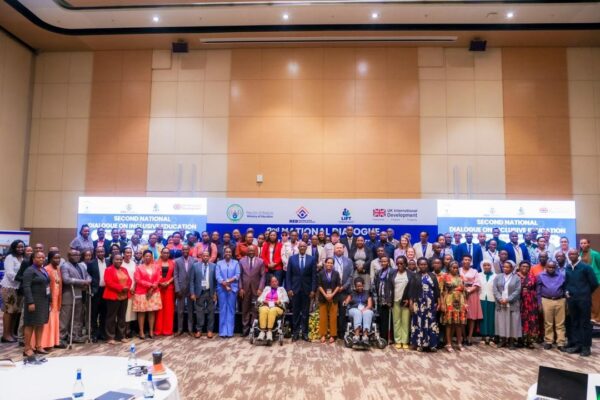
Second National Dialogue on Special Needs and Inclusive Education
Rwanda’s Second National Dialogue on Special Needs and Inclusive Education convened policymakers and advocates to advance disability-inclusive learning. The event reviewed progress, addressed barriers like infrastructure and teacher training, and secured commitments to prioritize inclusive education in national planning.
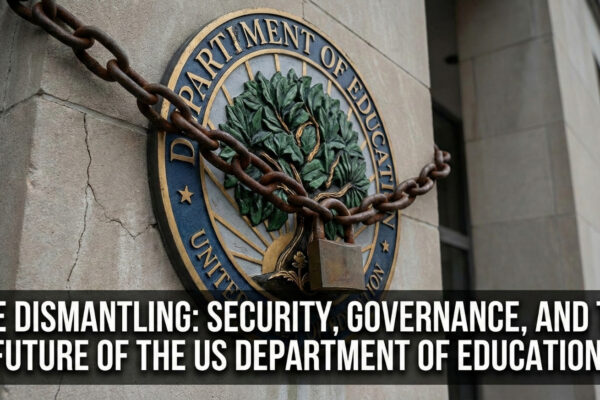
The Dismantling: Security, Governance, and the Future of the US Department of Education
In a historic restructuring, the US Department of Education is seeing key programs transferred to the State and Labor departments, driven by a new focus on national security and workforce alignment.
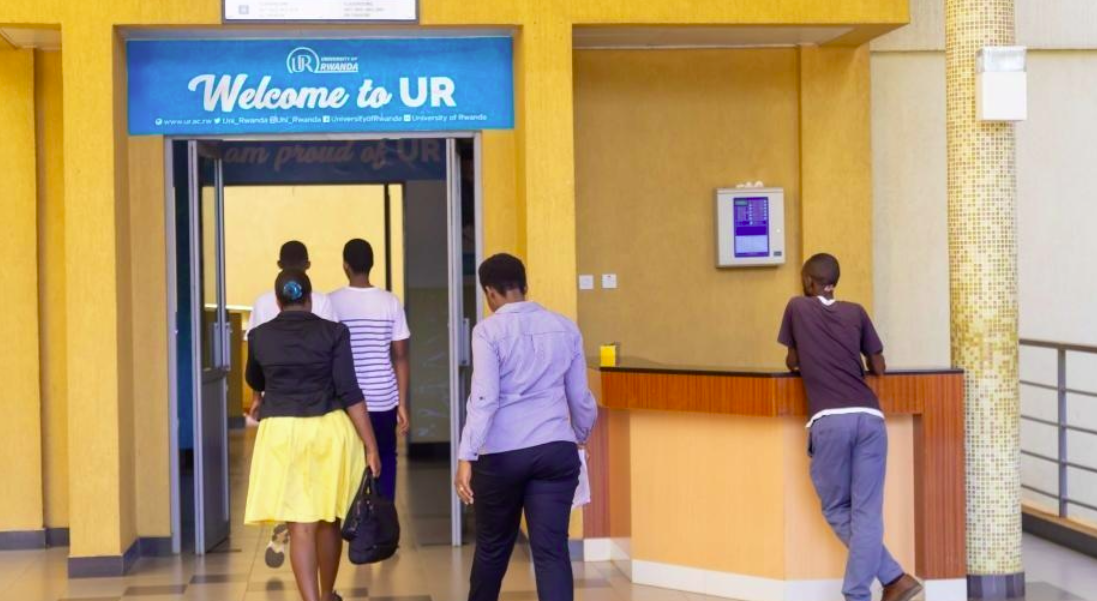
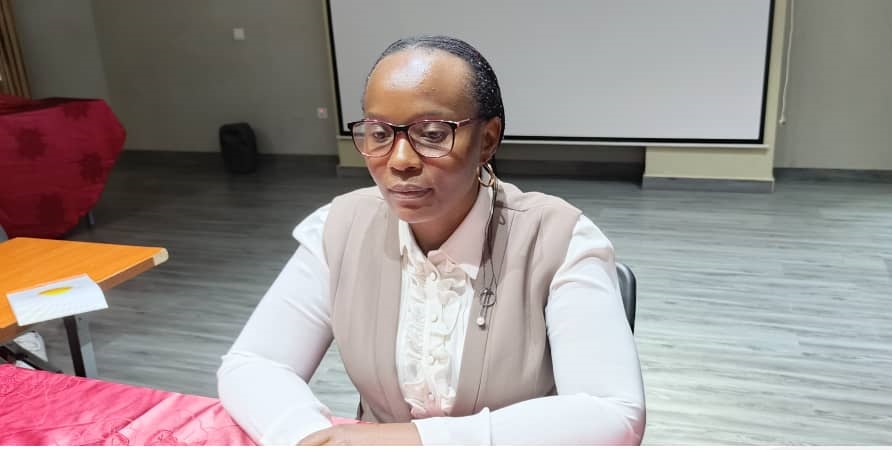
University of Rwanda Admits Over 14,000 Students in Merged Intake
The University of Rwanda has admitted 14,152 first-year students for the 2025/2026 academic year after merging the 2024 and 2025 student intakes. The move aims to reduce the waiting time between secondary school completion and university admission, according to Vice Chancellor Prof. Didas Kayihura Muganga.
Rwanda: New Education Reforms Targeted Lower Primary and Upper Secondary
Rwanda rolled out major education reforms in September 2025, targeting lower primary and upper secondary levels. The changes address challenges in the competency-based curriculum, especially in double-shift schools, and introduce flexible learning pathways.
Global Youth Leaders Launch Partnership for Digital Education Platform
Young founders from Rwanda, South Africa, Pakistan, and Sierra Leone have teamed up to launch a global e-learning platform. The initiative, aligned with SDG 4, will expand access and affordability in education through innovation, digital literacy, and inclusive solutions.

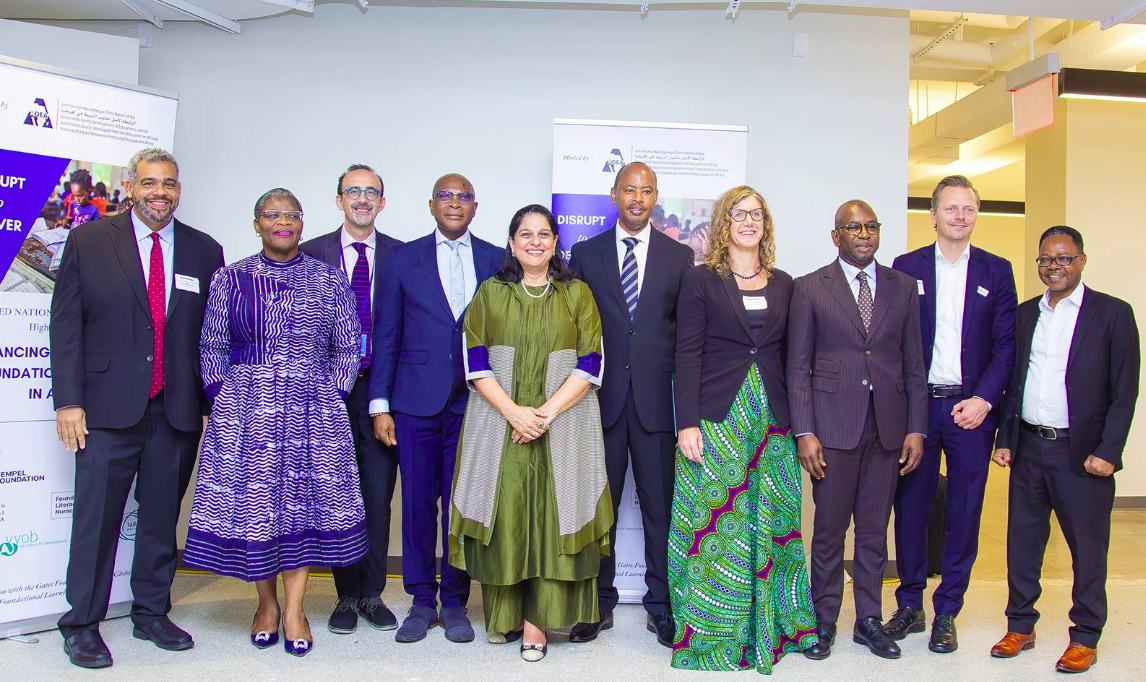
African Leaders Push for Homegrown Financing to Tackle Learning Crisis
At UNGA 80, African leaders launched a bold plan to finance foundational learning through homegrown solutions, shifting from aid dependence to evidence-driven efficiency.