
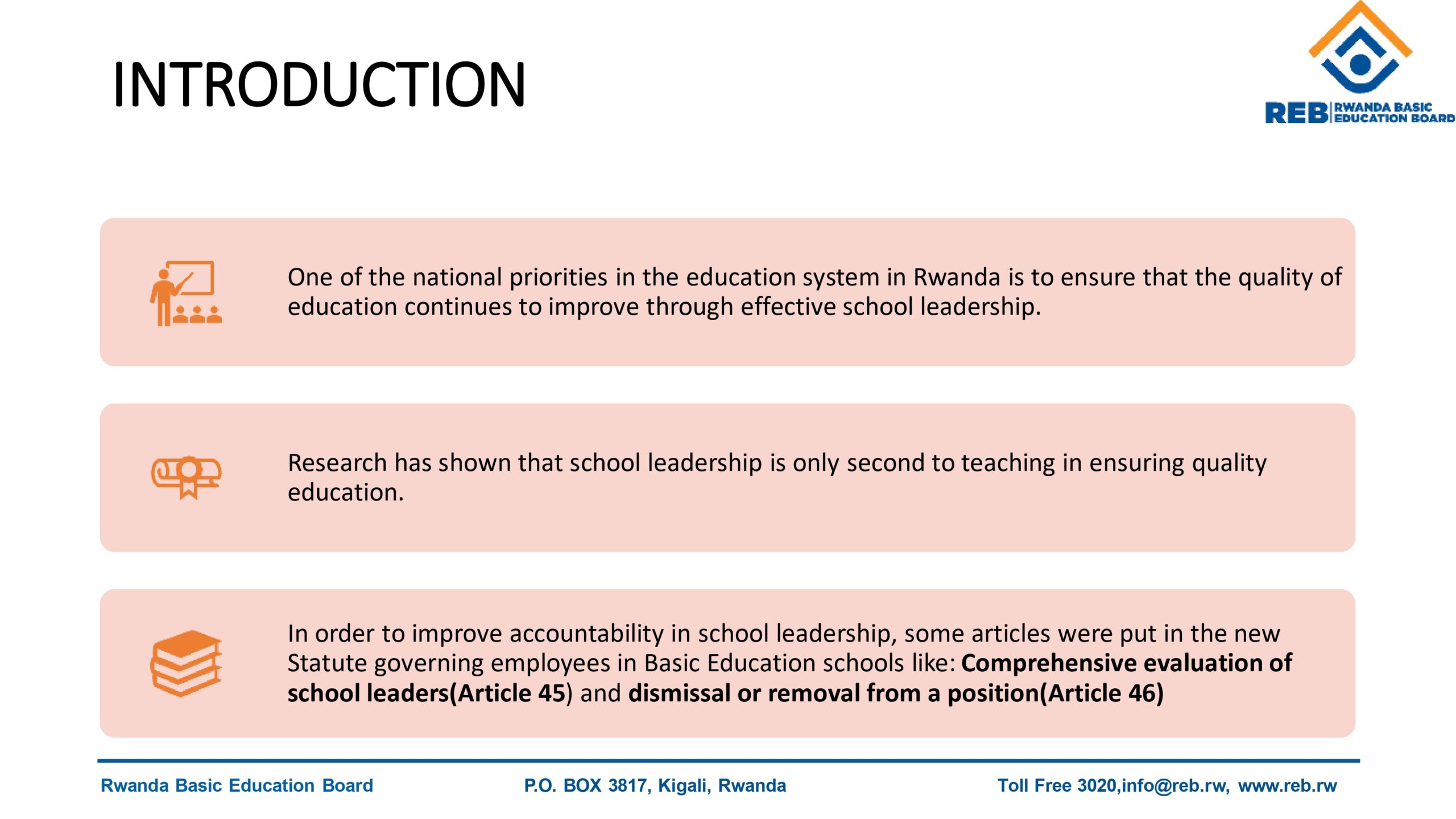
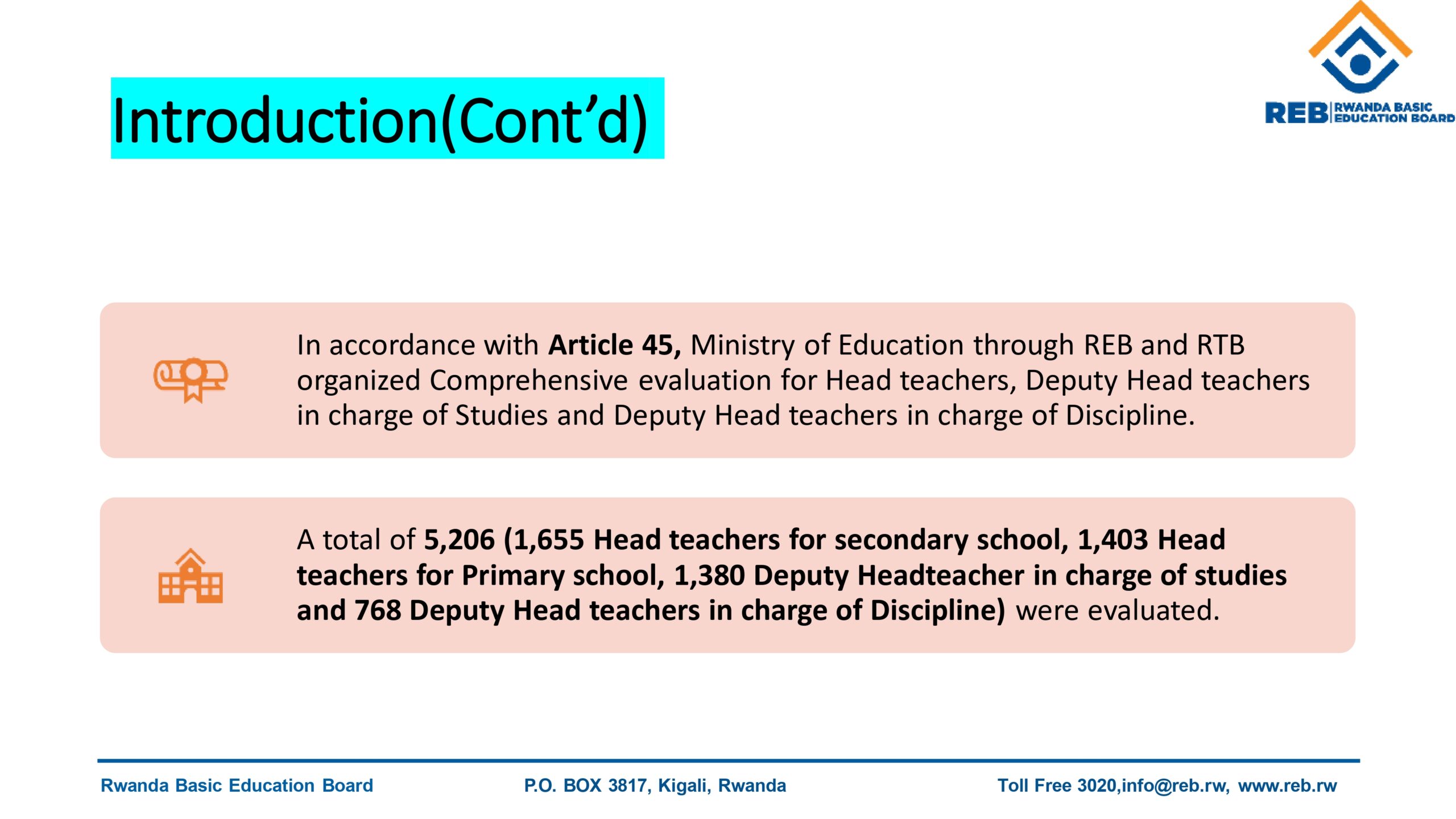
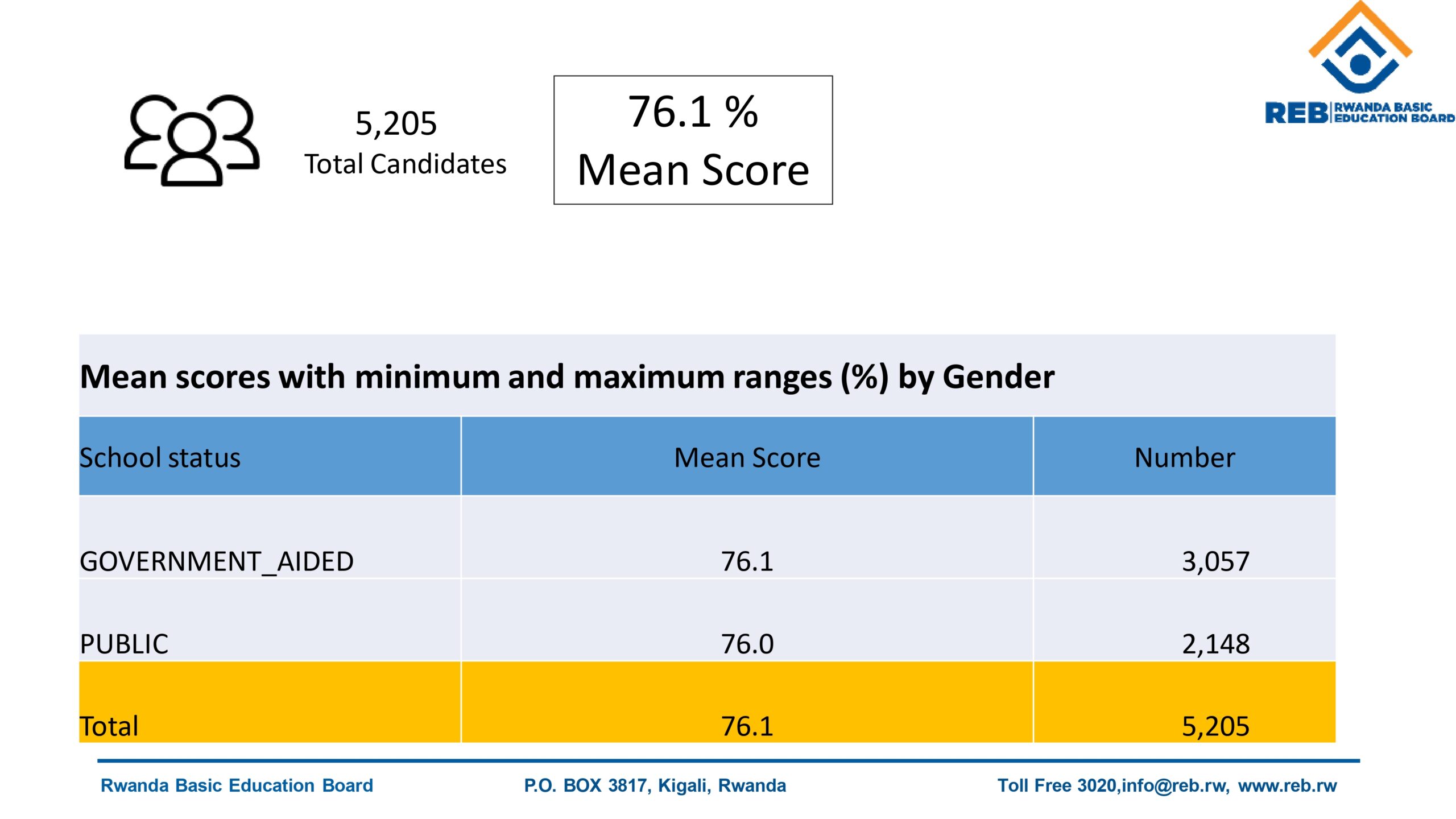
KIGALI, Rwanda — More than 5,200 school leaders across Rwanda underwent comprehensive performance evaluations in October 2025, with results showing steady progress but highlighting regional disparities in educational leadership.
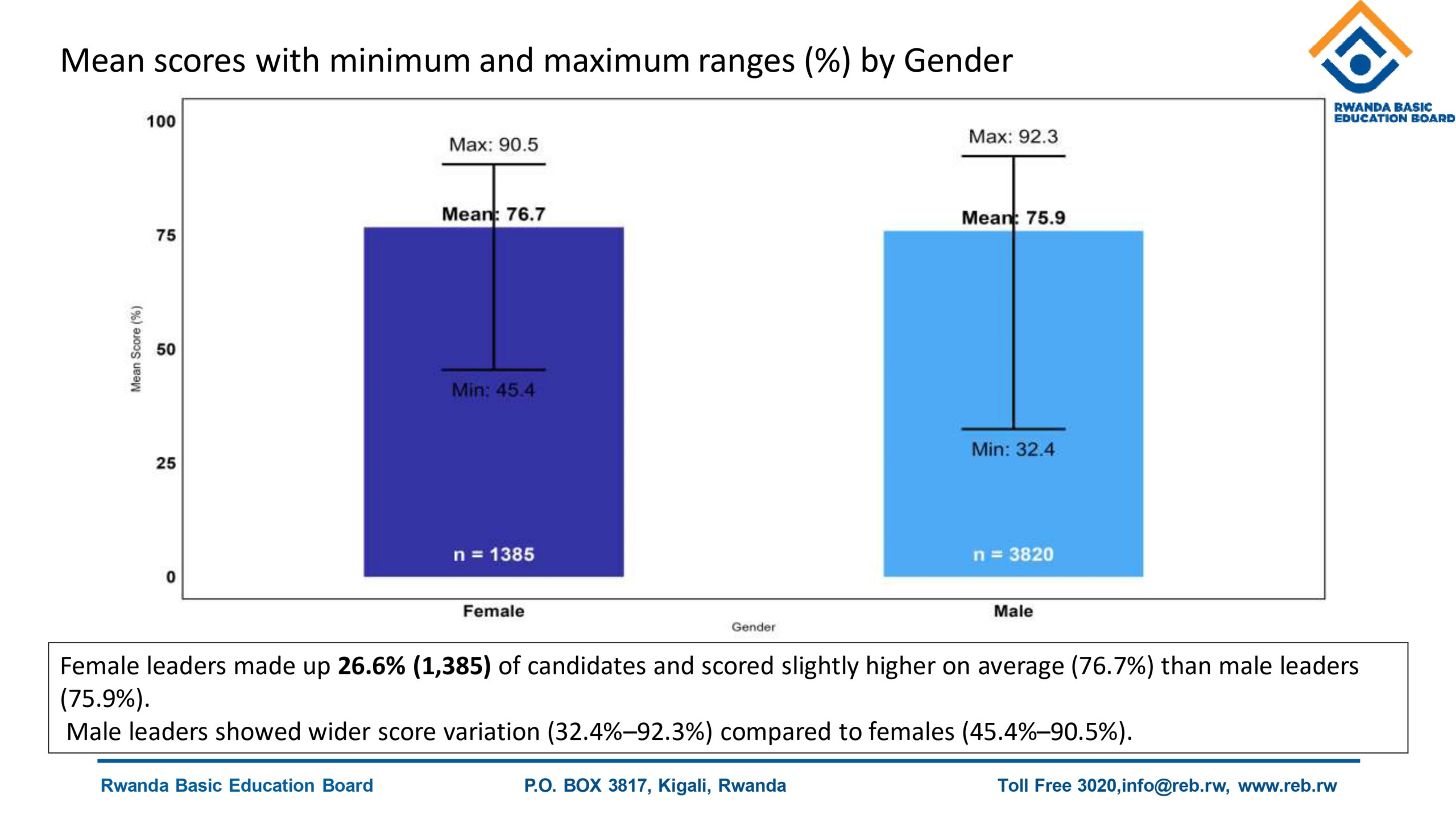
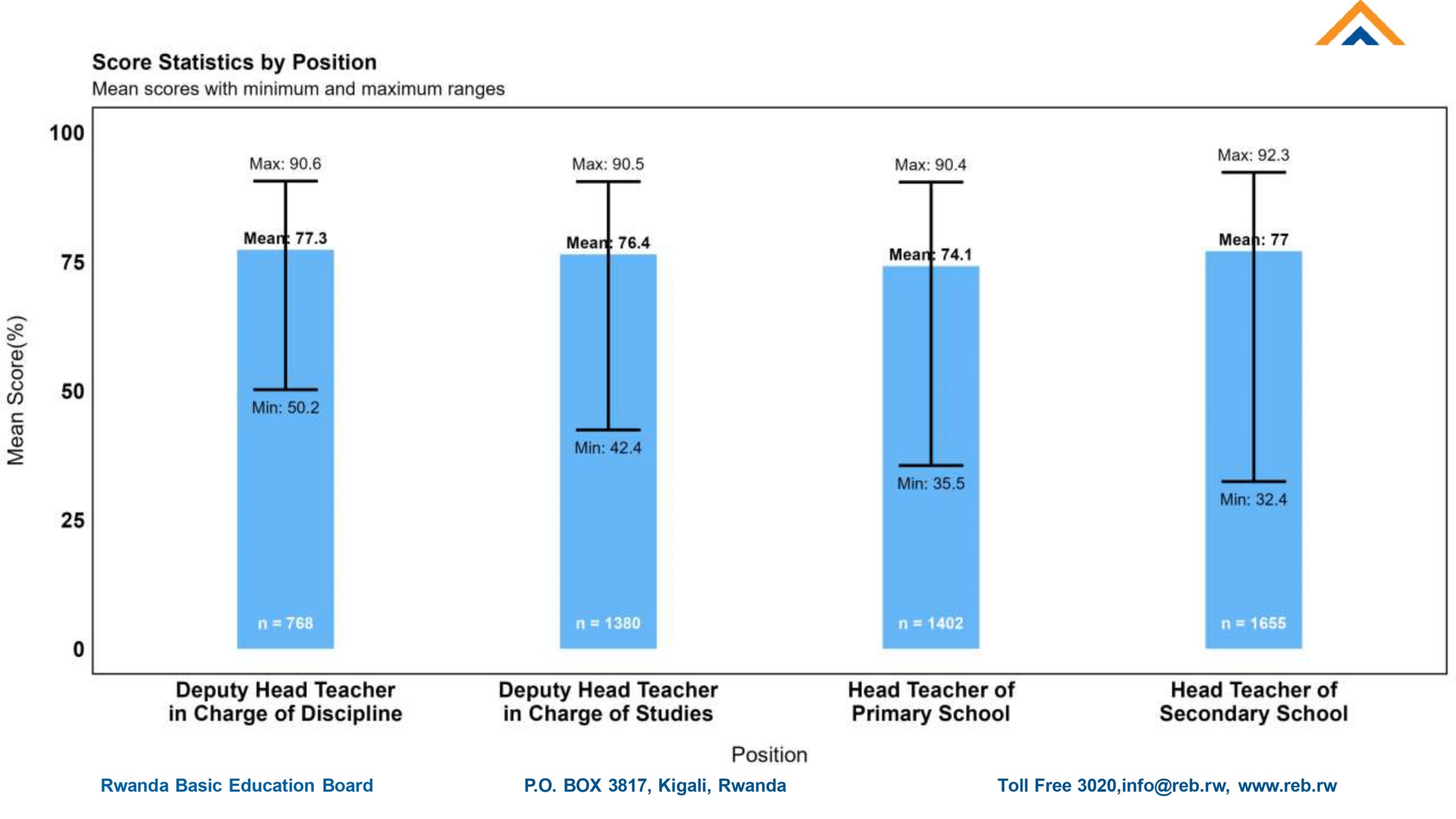
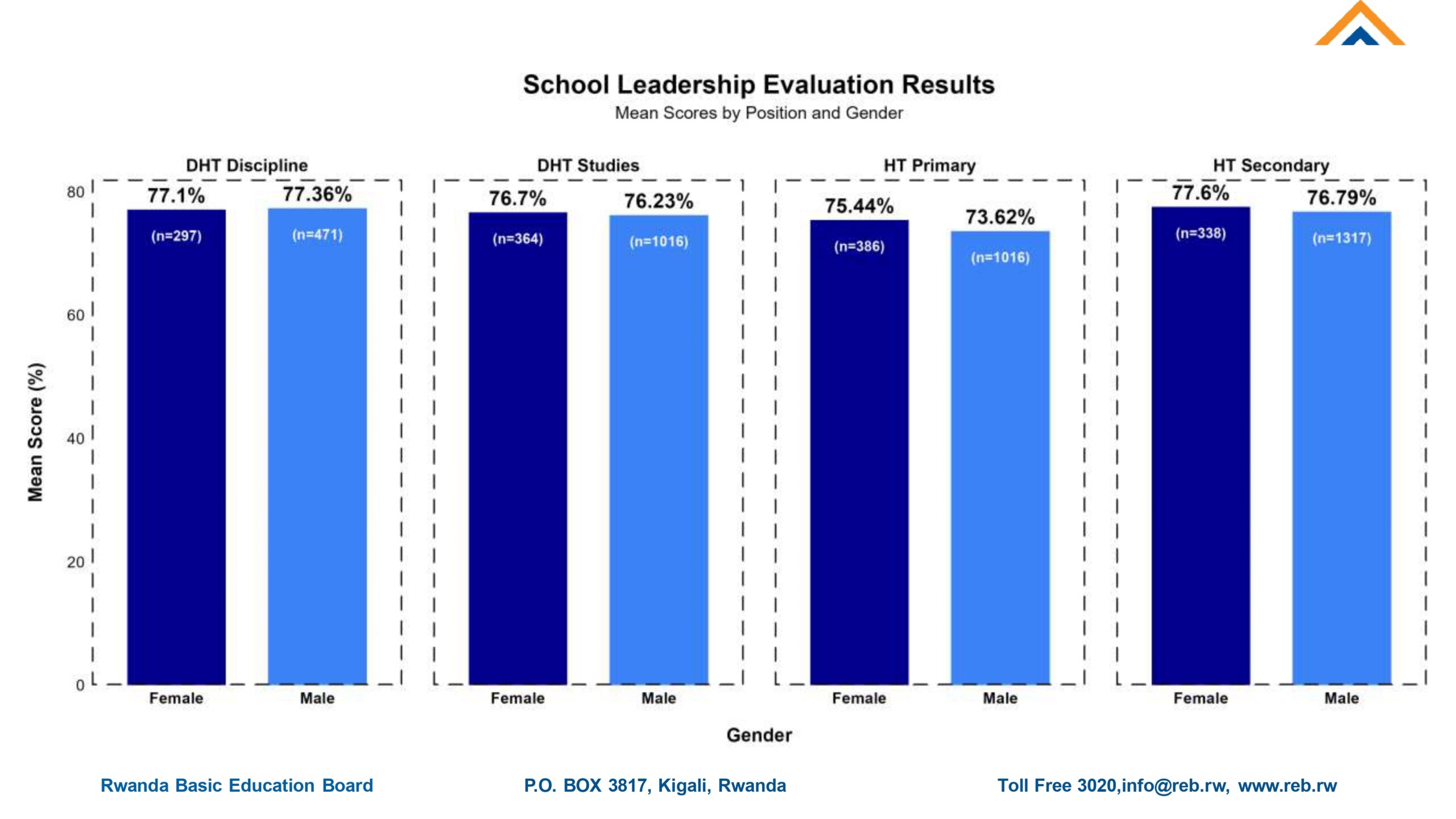
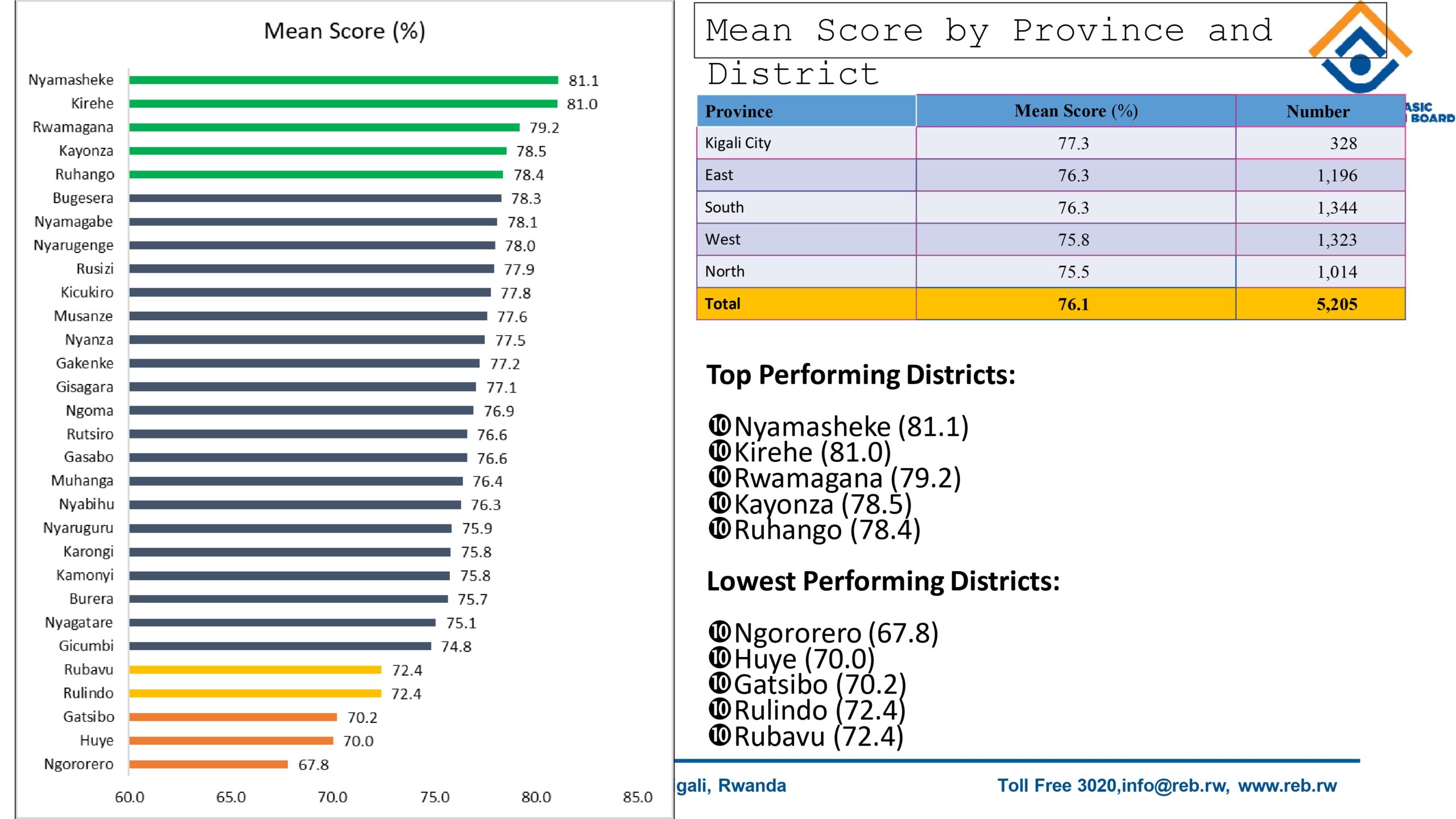
The nationwide assessment yielded an overall mean score of 76.1%. Female school leaders slightly edged out their male colleagues, averaging 76.7% compared to 75.9% for men.
Women made up just over a quarter of all participants—1,385 of the 5,205 leaders evaluated.
Wide Regional Gaps
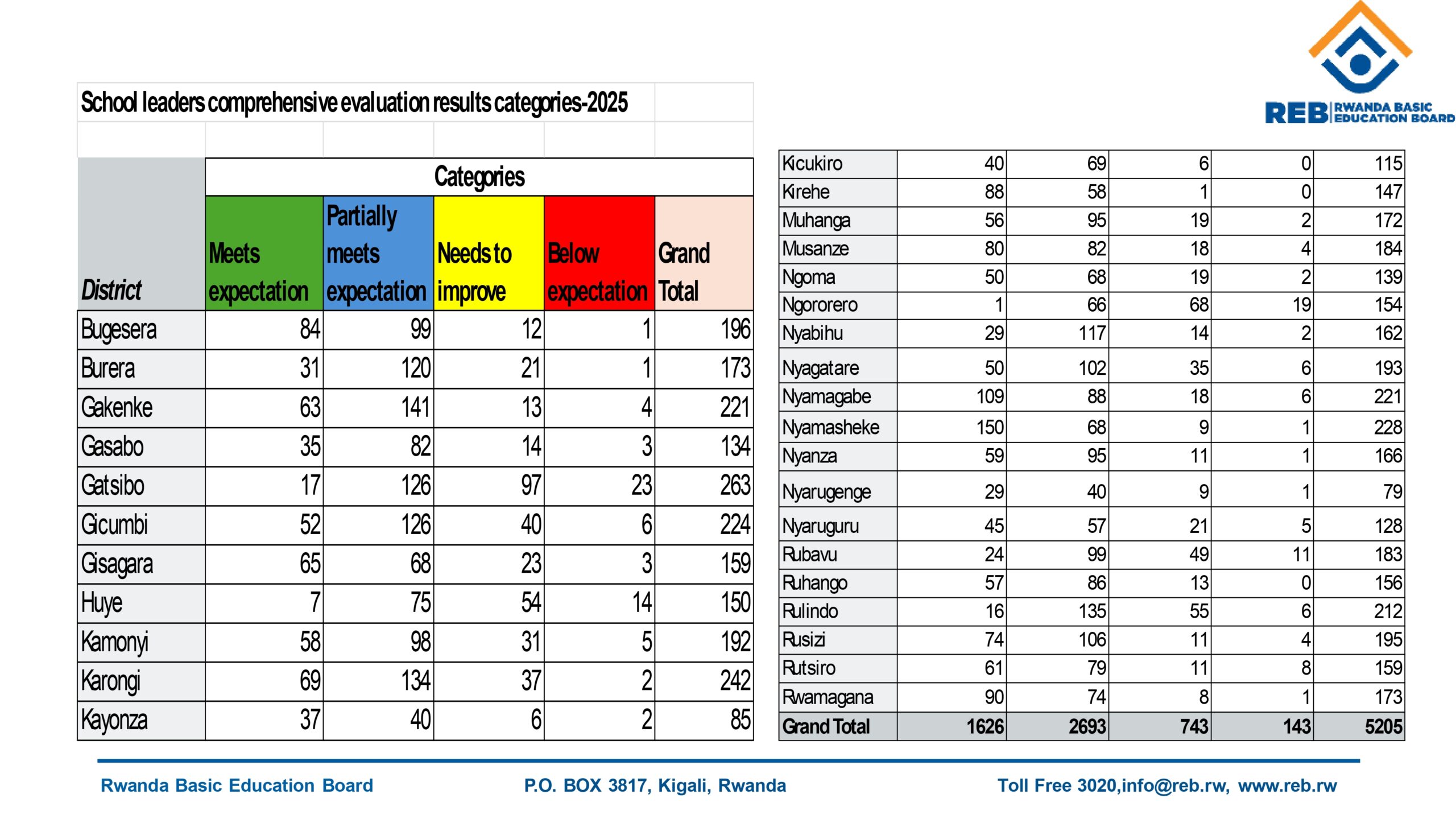
District-level results revealed striking differences. Nyamasheke topped the rankings at 81.1%, followed closely by Kirehe at 81.0% and Rwamagana at 79.2%.
At the bottom, Ngororero managed only 67.8%. Huye and Gatsibo also lagged behind at 70.0% and 70.2% respectively.
The performance gap between top and bottom districts spans more than 13 percentage points, suggesting uneven capacity and resources across the country’s education system.
Most Leaders Meeting Standards
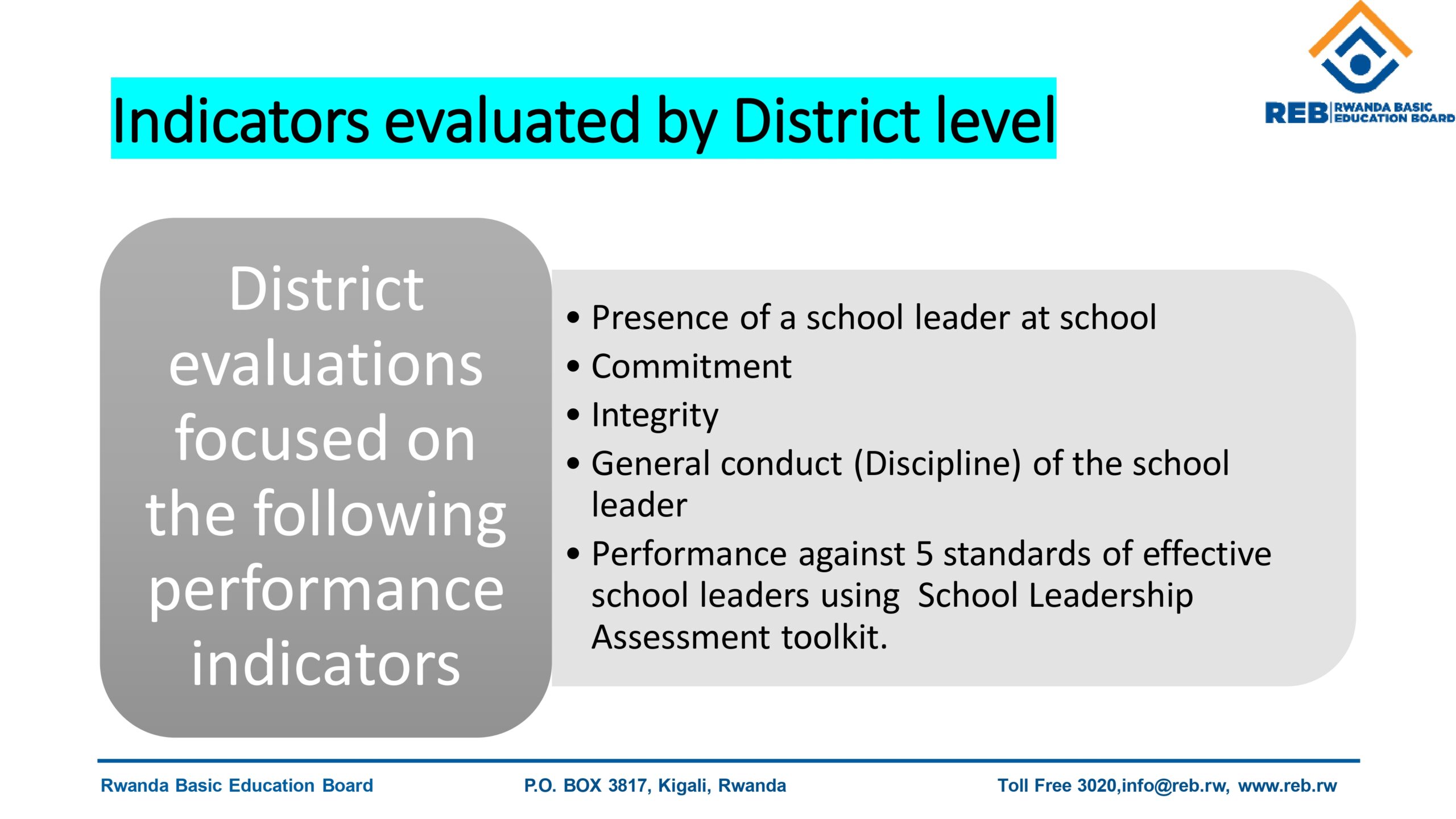
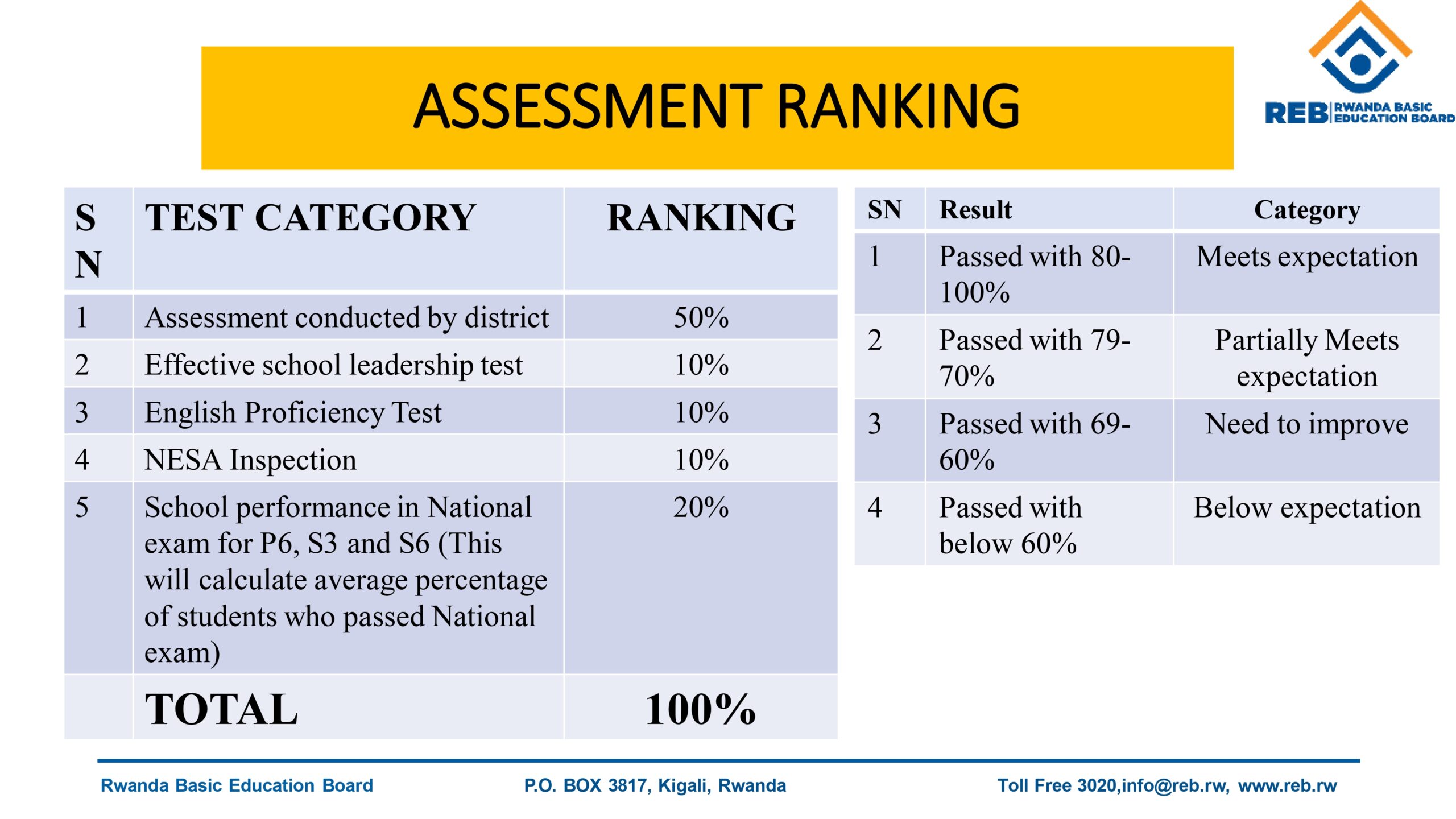
The evaluation measured leadership competencies, management efficiency, and accountability. Results broke down into four categories:
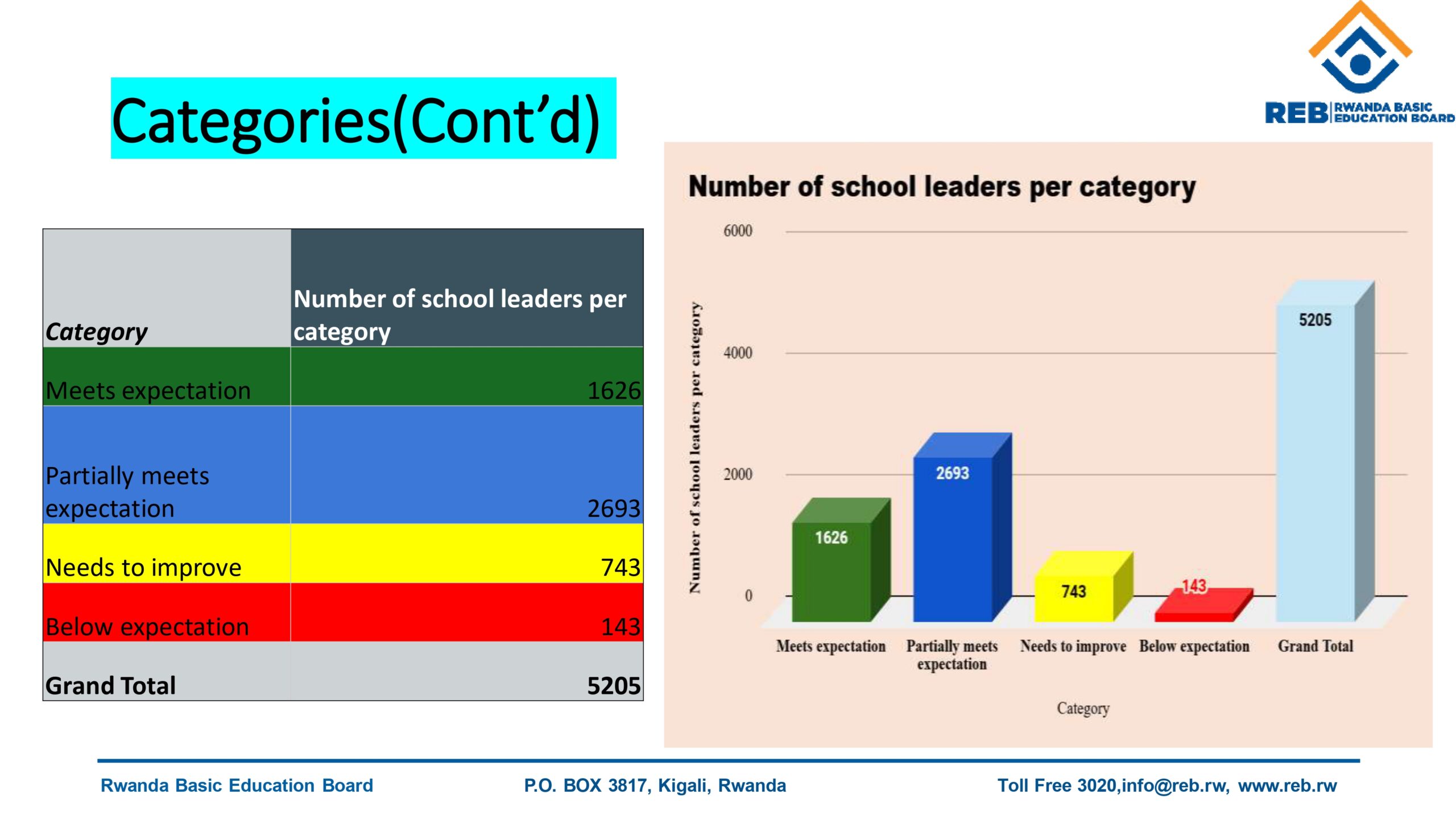
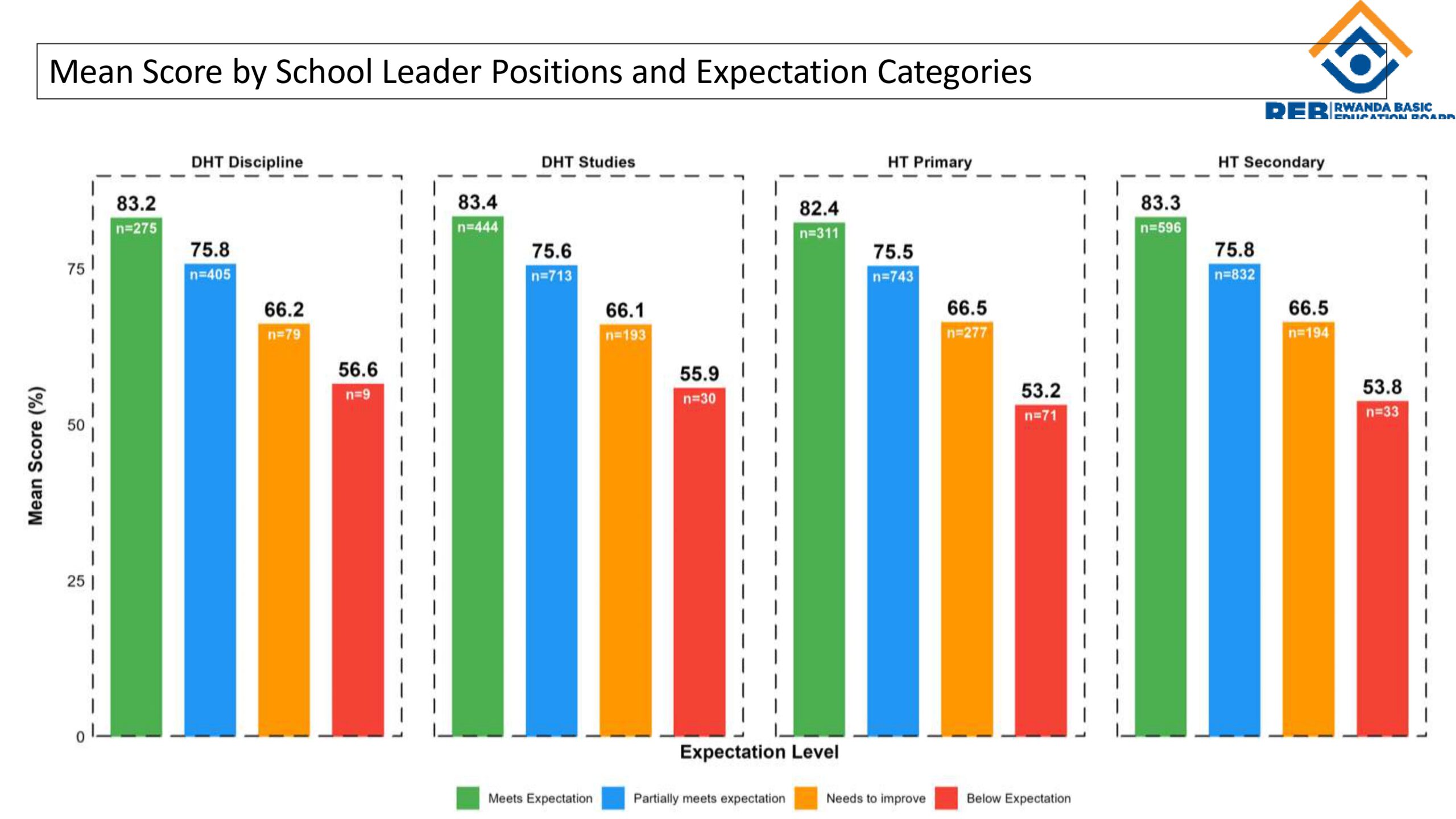
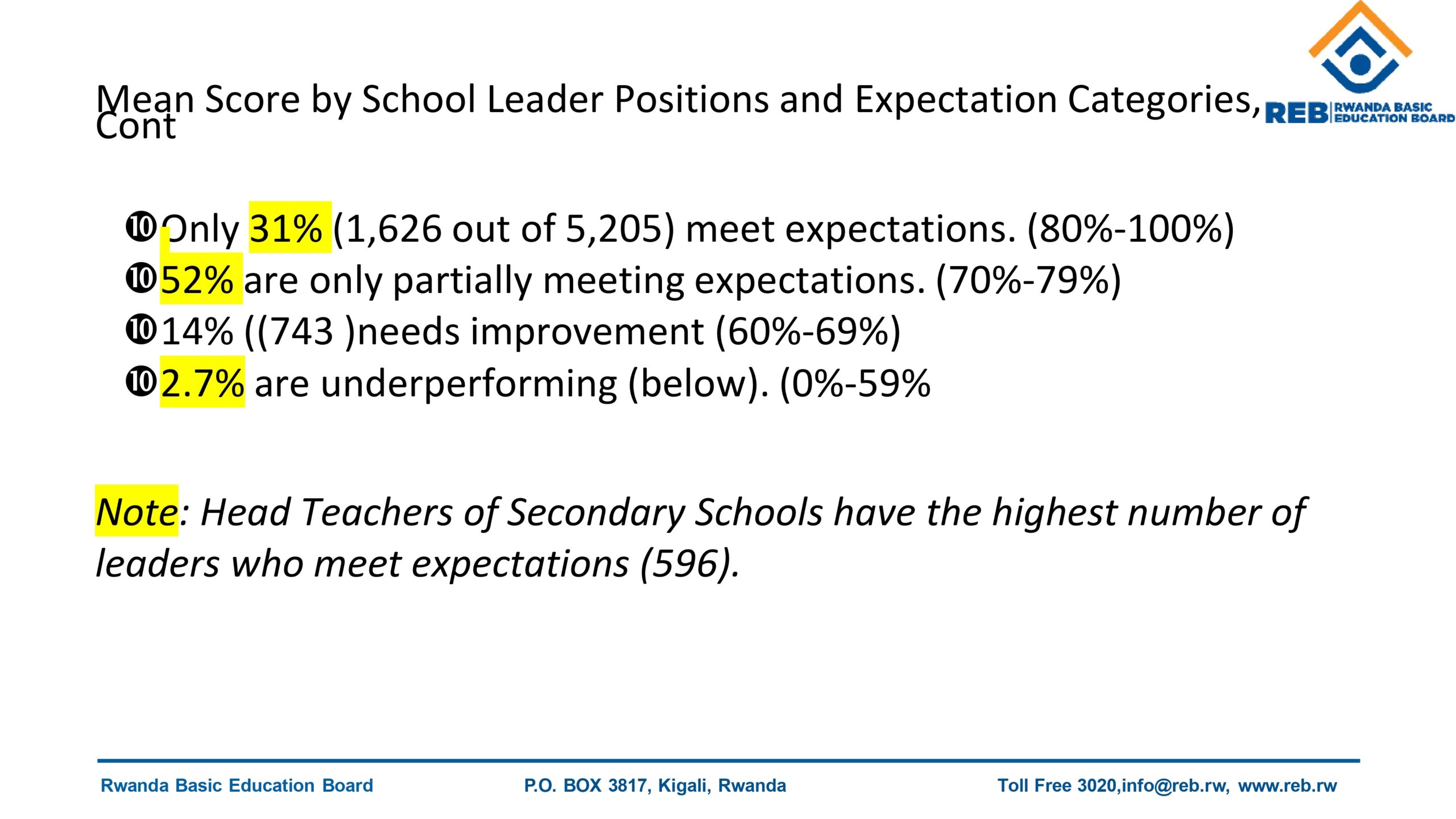
- 31% of leaders met or exceeded expectations (80-100%)
- 52% partially met expectations (70-79%)
- 14% need improvement (60-69%)
- Just 2.7% underperformed (below 60%)
Head teachers of secondary schools led the pack, with 596 individuals meeting or exceeding standards—the largest number in any category.
What Comes Next
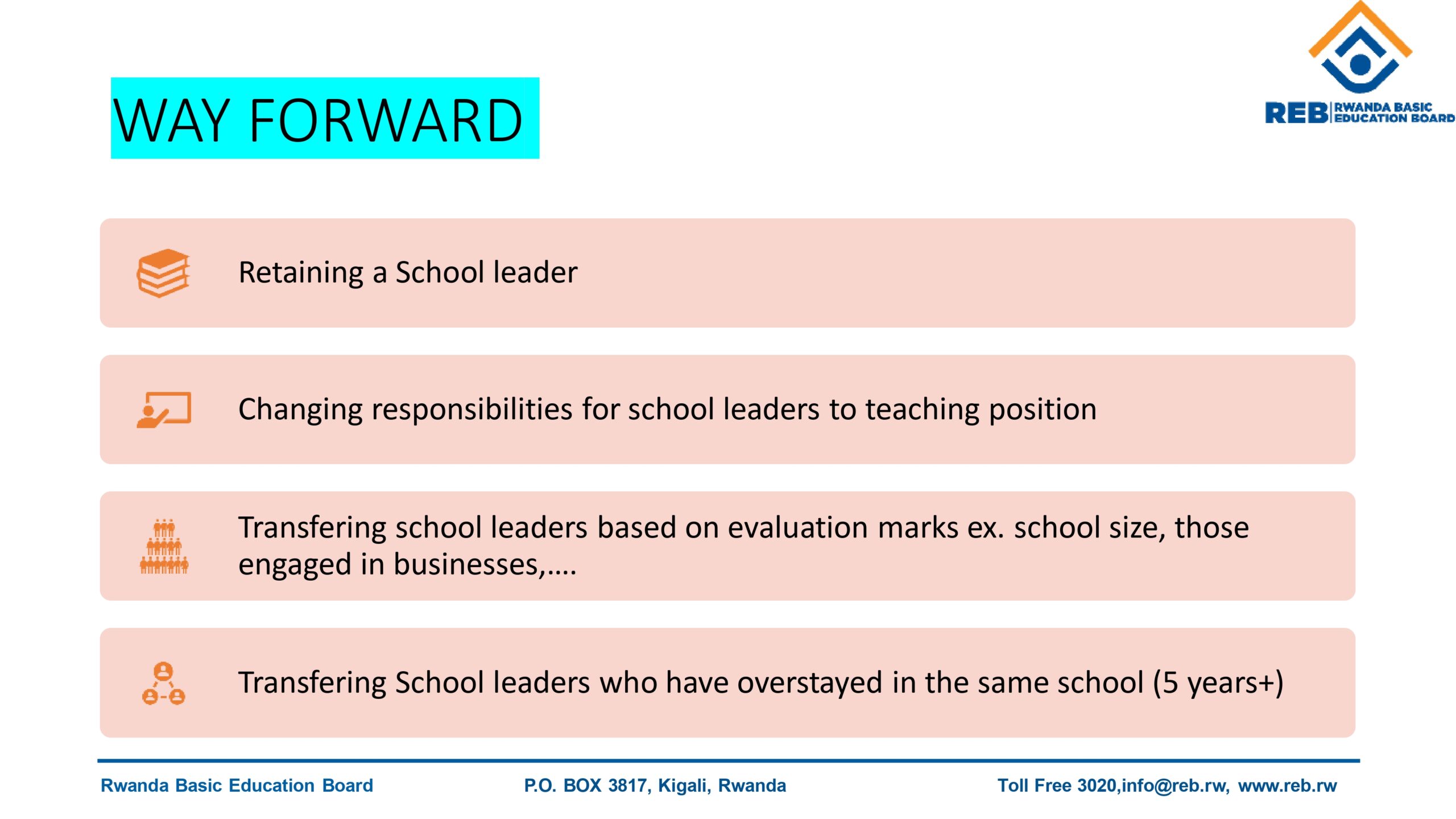
Officials said the findings will shape professional development programs and determine where performance-based support gets directed. The evaluation forms part of Rwanda’s broader push toward Vision 2050 education targets.
“We see strong commitment among school leaders,” the report stated. “But ongoing mentorship and targeted training remain crucial for consistent excellence nationwide.”
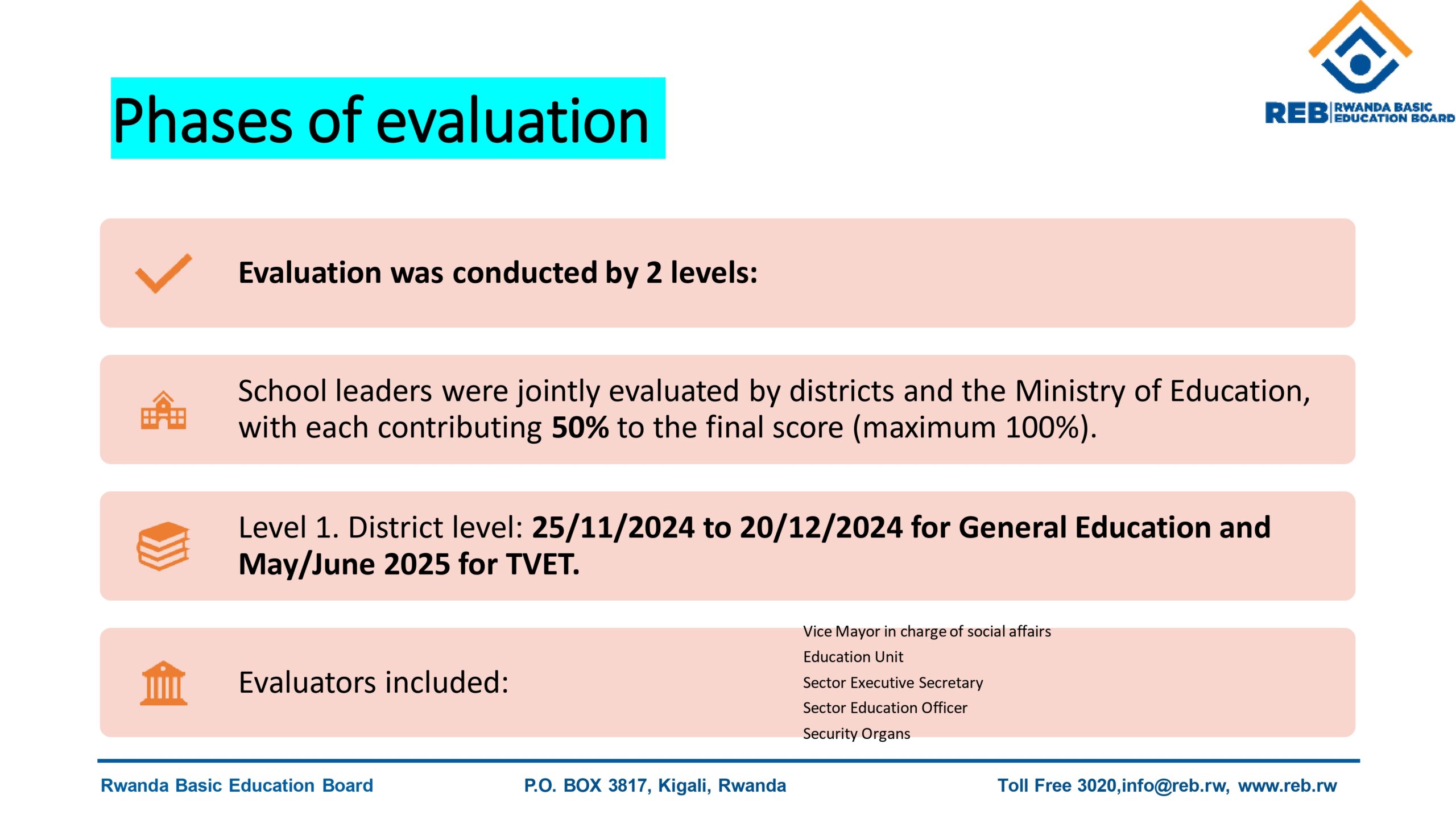
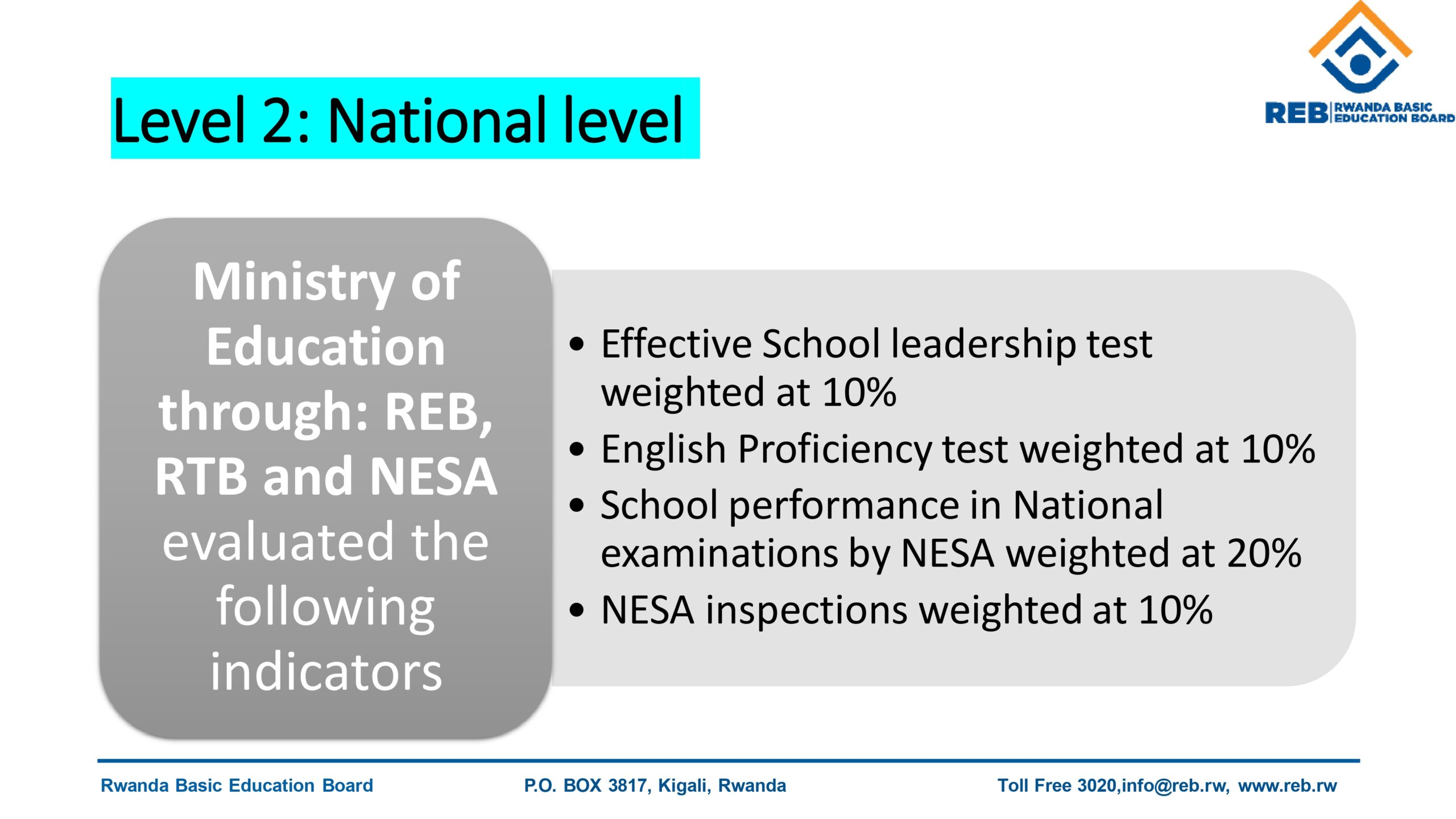
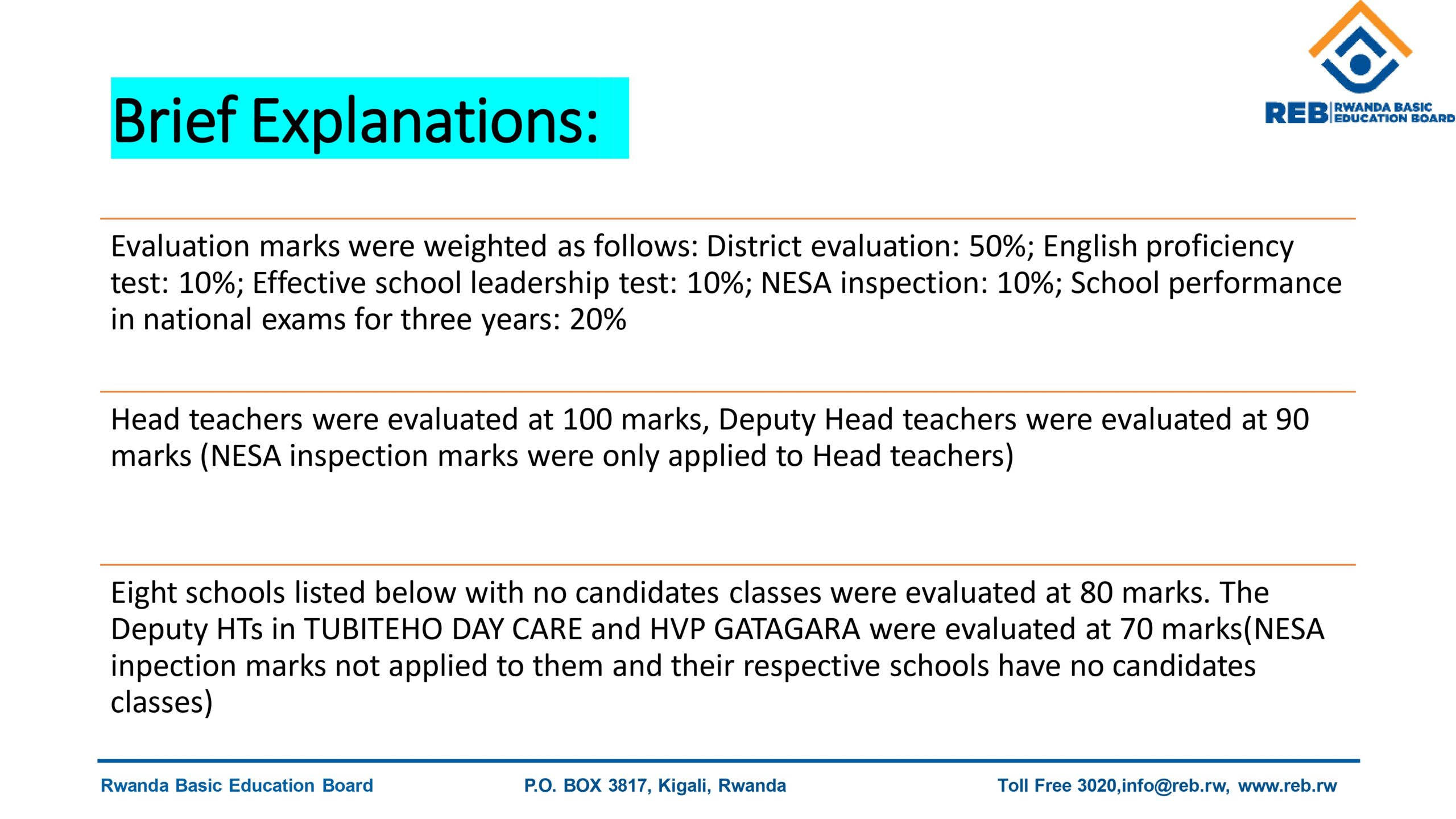
The assessment occurred at both district and national levels, allowing education authorities to identify specific areas where leadership training should focus.
However, the results also raise questions about why certain districts consistently lag behind. Addressing these gaps could prove critical as Rwanda works to standardize education quality across all provinces.
This article is informative.