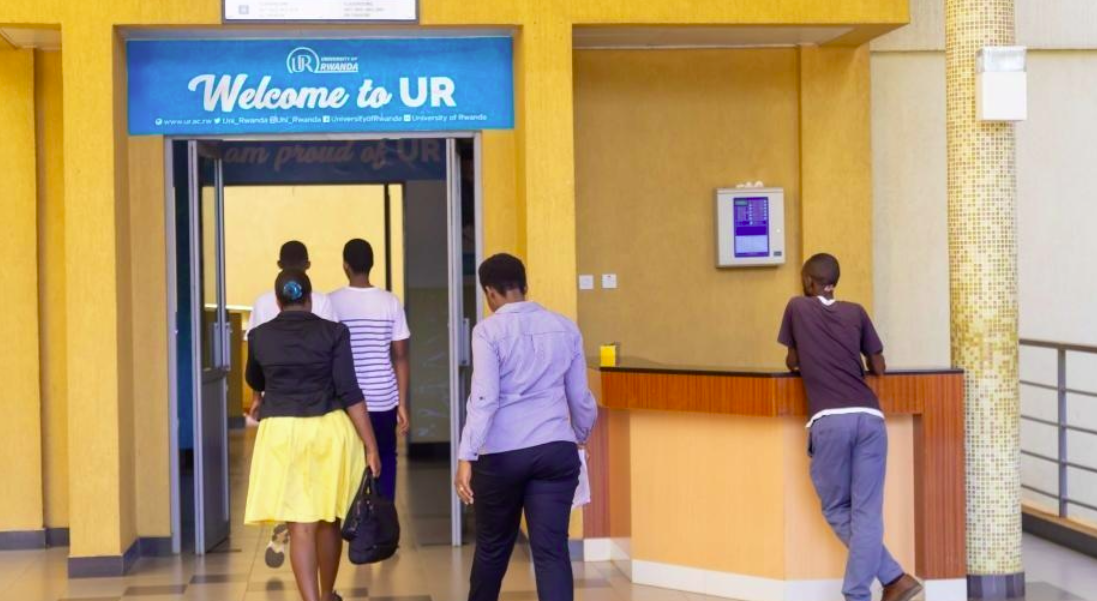
KIGALI, Rwanda — The University of Rwanda will welcome 14,152 first-year students for the 2025/2026 academic year, nearly double its typical intake, after combining two cohorts to eliminate waiting periods for secondary school graduates.
Vice Chancellor Prof. Didas Kayihura Muganga said the merger prevents students from waiting a full year between finishing high school and starting university. The combined intake roughly matches two normal admission cycles, which usually bring in around 7,000 students each.
“Secondary school graduates no longer wait the whole year to be admitted to UR,” Prof. Muganga said.
Two Cohorts, One Academic Year
Of the new students, 6,867 completed secondary school in 2024, while 7,285 graduated this year. Admission decisions relied on national exam performance, subject combinations, and alignment with priority programs—especially in science, technology, engineering, and mathematics.
Entry requirements varied between the two groups. Students from 2024 and earlier needed a minimum of 50 points out of 73. Those graduating in 2025 required scores between 50% and 75% in Advanced Level National Examinations, depending on their chosen field.
Applicants with strong science or technical backgrounds got preference across 88 academic programs. Available space and national priorities also shaped admission decisions.
Registration Begins This Month
New students must register and apply for study loans. The application window for 2025 graduates runs from October 11 to 17. An induction program starts October 27, with classes beginning November 10.
Housing Crunch Persists
Accommodation remains a major challenge. Prof. Muganga acknowledged that hostels can’t meet demand but pointed to ongoing expansion efforts, particularly for first-year and female students.
UR added more than 900 rooms recently, with new hostels at the Nyarugenge campus. Other campuses will continue using existing facilities.
Still, only 20% of students currently live in university housing. Deputy Vice Chancellor Raymond Ndikumana said the target is 60% within the next few years, achievable through partnerships with private developers and local authorities.
Infrastructure and Staffing
Beyond housing, UR is upgrading laboratory facilities and expanding faculty. The university now hires lecturers continuously based on academic demand rather than following fixed recruitment schedules.
UR currently serves about 31,000 students across seven colleges. It offers 87 undergraduate programs and 138 postgraduate options.
The double intake strategy addresses a longstanding complaint from students and parents: the gap between secondary school completion and university entry. However, it also intensifies pressure on already stretched infrastructure and resources.
Whether UR can maintain quality while absorbing twice the usual number of freshmen remains an open question as the academic year approaches.